The Role of Environmental Enrichment in Training Pet Animals
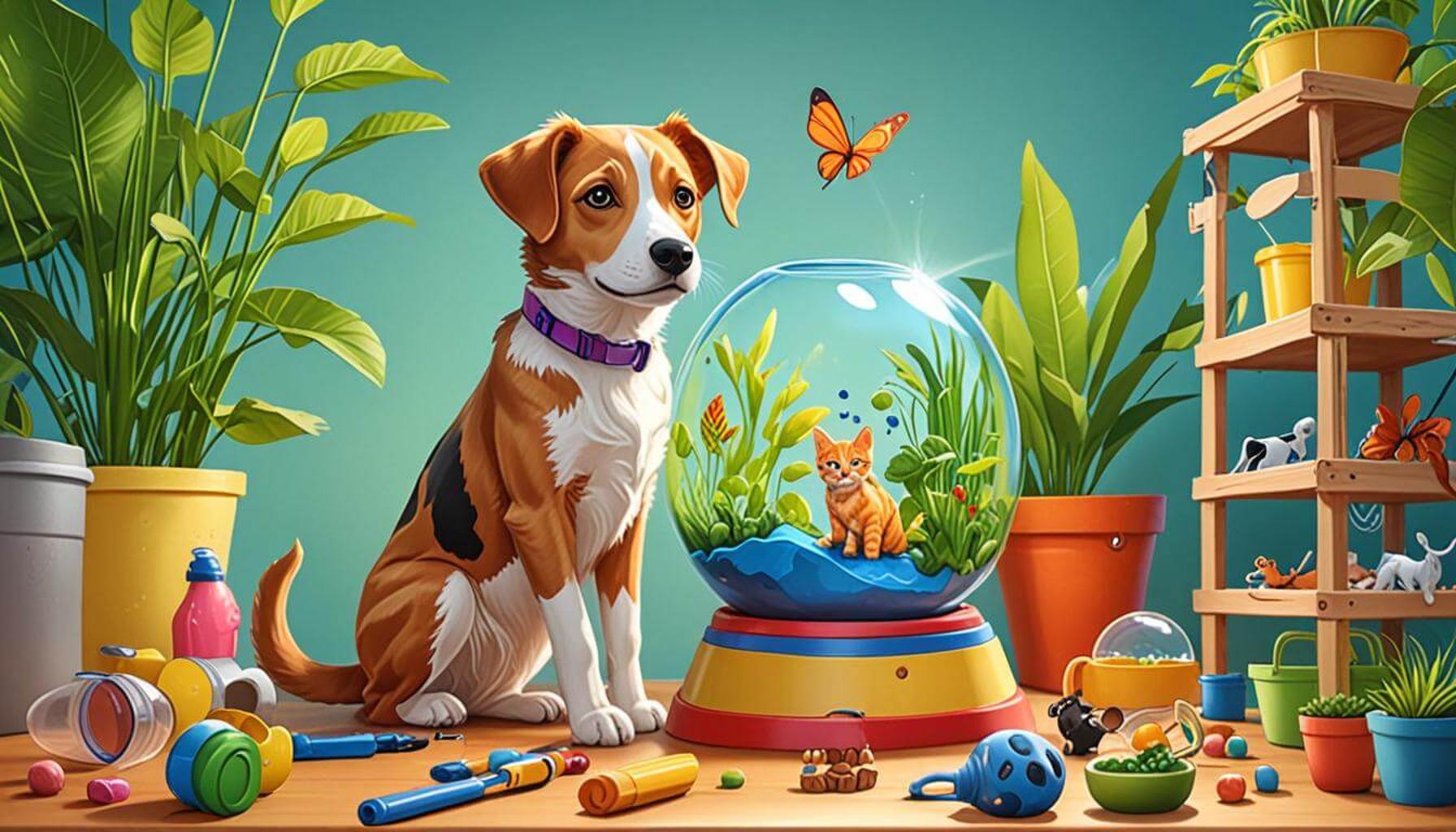
The Importance of Environmental Enrichment for Pets
Understanding how to train pet animals effectively requires more than just basic obedience; it necessitates a consideration of their environment. Environmental enrichment is crucial in this journey, as it stimulates both mental and physical activity. This approach enhances the overall well-being of pets and makes training a more enjoyable experience. Providing an enriching environment not only promotes better behavior but can also prevent undesirable actions stemming from boredom or anxiety.
But what exactly does environmental enrichment entail? Here are some key components that all pet owners should consider:
- Interactive Toys: Toys that challenge a pet’s problem-solving skills are essential in keeping their minds sharp. For instance, puzzle feeders require pets to figure out how to access treats hidden within, fostering both cognitive function and an engaging activity. Brands like Kong and Outward Hound have popular products that cater to different levels of difficulty, ensuring that there’s something for every pet.
- Varied Surroundings: Changing the animal’s environment to include different sights, sounds, and smells can be particularly beneficial. For example, take your dog to a park with varying terrains or to a beach, exposing them to new stimuli. Cats, too, can enjoy varied environments; setting up a window perch for bird-watching or rotating their toys can keep their senses engaged.
- Social Interaction: Engaging with humans or other animals encourages behavioral development. Regular playdates with other pets or visiting agility classes can provide valuable socialization opportunities. Pets are social creatures—dogs thrive on interaction, while even cats benefit from playtime with their owners or other feline friends.
- Physical Challenges: Activities that require climbing, jumping, or exploring can significantly contribute to a pet’s physical fitness and mental health. Consider creating an obstacle course in your backyard for dogs or providing climbing structures for cats. Engaging in sports like agility training or flyball can also be rewarding for both pet and owner.
By integrating these elements thoughtfully, pet owners can create richer learning experiences. Not only does this method make training more effective, but it also significantly improves the quality of life for pets. Pets that are mentally and physically stimulated are happier and less likely to develop behavioral issues, such as excessive barking or destructive chewing.
In the following sections, we will explore how these enrichment strategies can foster better behaviors and deeper bonds between you and your furry friends. By investing time and resources in environmental enrichment, pet owners can ensure that their pets lead fulfilling lives, ultimately forging a stronger human-animal bond that stands the test of time.
DISCOVER MORE: Click here to learn how pet adoption can change lives

Enhancing Learning through Environmental Stimulation
For pet owners looking to maximize their training efforts, environmental enrichment is not just a luxury—it’s a necessity that compels a deeper understanding of animal learning. When pets are exposed to a stimulating environment, they become more engaged and responsive to training cues. This engagement translates into faster learning and improved behavior, making the training process not only effective but also highly rewarding.
Enrichment is the backbone of positive reinforcement training methodologies, which encourage desirable behavior through rewards. By integrating various forms of enrichment into training routines, owners can unlock their pets’ full potential. Let’s delve deeper into the pivotal roles specific enrichment strategies play in training:
- Promoting Cognitive Development: Implementing interactive toys during training sessions encourages pets to think critically. Research indicates that animals, much like humans, benefit from challenging their cognitive abilities. Brain games not only keep them occupied, but they also enhance problem-solving skills, leading to quicker understanding of training commands and tasks.
- Creating Positive Associations: Offering rewards in the form of interactive play or toys while training creates a positive association with learning. Pets learn faster when they associate the training process with fun activities, reducing anxiety and the likelihood of resistance to new commands.
- Reinforcing Social Skills: Social interactions can significantly enhance a pet’s ability to learn. Training classes provide a great avenue for socialization, exposing pets to various stimuli and other dogs or people. This social stimulation encourages pets to focus during training, enhancing their learning environment.
- Encouraging Exploration: Introducing varied environments for training promotes natural instincts to explore and discover. Taking pets to new parks, trails, or even backyards with different setups can boost enthusiasm during training sessions, making learning feel more like an adventure than a chore.
Studies show that pets, especially dogs, thrive on routine and predictability. However, a completely predictable environment can lead to stagnation in learning. Periodically altering their training space can renew interest and motivation. For instance, simply rearranging furniture or changing the location of training sessions can invigorate a pet’s curiosity.
Moreover, the physical aspect of environmental enrichment cannot be overlooked. Regular exercise, made possible through structured play and engagement, fuels a pet’s drive to learn. A well-exercised pet is typically calmer and more willing to focus during training, reducing the chances of behavioral issues stemming from pent-up energy.
In essence, understanding the role of environmental enrichment in training pet animals opens the door to innovative training methods that prioritize mental and physical well-being. As this article progresses, we will explore real-world applications of these strategies, their long-term benefits for both pets and owners, and how to effectively implement them into daily routines. Investing in these enrichment techniques not only elevates the dog-human partnership but also ensures a happier, healthier, and more interactive pet experience.
| Advantages | Description |
|---|---|
| Cognitive Development | Environmental enrichment enhances mental stimulation, leading to improved problem-solving skills in pets. |
| Behavioral Improvement | Incorporating engaging stimuli helps reduce boredom-driven behaviors, promoting a calmer temperament in pets. |
| Stronger Bonding Opportunities | Interactive activities create stronger bonds between pets and their owners, enhancing training effectiveness. |
The role of environmental enrichment extends beyond mere play; it actively fosters an enriching experience that encourages pets to explore and engage with their surroundings. This comprehensive approach is not only vital for the physical well-being of pets but also significantly enhances their mental health. Through various activities, such as puzzle toys or sensory gardens, we provide them with the essential stimulation that fuels their natural instincts and curiosity.Moreover, introducing an array of textures, scents, and sounds in their living space can cultivate an atmosphere of adventure and discovery. The strategic implementation of these elements can effectively address issues like separation anxiety or acting out due to inadequate stimulation, leading to a much happier and healthier pet. Engaging with your pet in such enriched environments can result in measurable behavioral improvements, positioning the relationship as a dynamic partnership rather than a mere owner-pet hierarchy.In this light, the investment in significant environmental enrichment is undeniably beneficial, yielding long-term advantages that transcend the day-to-day interactions pet owners typically experience. As we delve deeper into this subject, one can uncover the stunning transformations that come from thoughtfully designed environments tailored to our beloved animals.
DISCOVER MORE: Click here to uncover inspiring stories
Practical Applications of Environmental Enrichment in Training
Understanding the theoretical benefits of environmental enrichment is crucial, but translating these concepts into practical applications is where pet owners can truly begin to see transformative changes in their animals’ learning and behavior. By strategically incorporating enrichment tools into training regimens, owners can enhance the bond with their pets while facilitating a more effective training experience. Here are several innovative applications that highlight the integration of enrichment into training routines:
- Obstacle Courses: Setting up an obstacle course in the backyard is a fantastic way to merge physical activity with training challenges. Not only does this provide a dynamic environment for pets to explore, but overcoming obstacles can also reinforce commands such as ‘jump,’ ‘stay,’ or ‘come.’ Furthermore, dogs particularly enjoy the thrill of navigating through tunnels or climbing over objects, turning learning into a highly engaging game.
- Scavenger Hunts: Utilizing a pet’s natural instincts to sniff and search can significantly enhance their training. By conducting scavenger hunts for treats or toys around the home or yard, owners encourage their pets to use their noses while promoting command-following and recall skills. This practice reinforces their learning through a fun, interactive experience that taps into their innate behaviors.
- Rotating Toys: Keeping training engaging can be as simple as changing out toys regularly. Introducing new or different interactive toys can reclaim a pet’s attention and spark curiosity. The novelty encourages pets to think critically while having fun, which can aid in the retention of commands or tricks taught during training sessions. As they become more adept at using these toys, learning new skills becomes less daunting.
- Playdates with Other Pets: Social enrichment can significantly boost a pet’s training experience. Arranging playdates with other trained pets gives the opportunity for pets to observe and mimic behaviors. For example, a dog that sees another dog responding to commands during play can become more motivated to respond to the same commands when called by their owner, enhancing their willingness to learn in the presence of peers.
- Nature Walks: Regularly changing the training environment can keep pets engaged. Organizing nature walks or visits to different parks allows pets to experience new scents, sights, and sounds. These outings can be used as an opportunity to integrate training commands in a variety of contexts, reinforcing learning and encouraging adaptability to various environments.
Furthermore, implementing technology in training practices can also add a layer of enrichment. For instance, smartphone apps designed for pets can offer interactive games or challenges that require pets to solve puzzles or follow cues. This not only provides mental stimulation but allows pet owners to track their pets’ progress over time.
Ultimately, the question of how to effectively implement environmental enrichment into daily routines boils down to creativity and consistency. Creating an enriching environment requires planning, but the payoff in terms of a well-trained and happy pet is profound. By recognizing the diverse forms of enrichment available and adapting them to suit the unique characteristics of the pet, owners can foster a positive training experience that invigorates both learning and play.
DIVE DEEPER: Click here for expert tips on teaching your dog
Conclusion: Elevating Pet Training through Environmental Enrichment
In summary, environmental enrichment plays a pivotal role in shaping the training and overall well-being of pet animals. By integrating stimulating experiences into training routines, pet owners can foster a learning environment that is not only effective but also enjoyable for both the animal and the trainer. The strategic use of enriching activities—from obstacle courses to scavenger hunts—encourages pets to engage their natural instincts and learn essential skills through play.
Additionally, the concept of enrichment extends beyond mere physical stimulation; it enhances mental engagement, promotes socialization, and cultivates adaptability in varied surroundings. By recognizing that every pet has unique needs and preferences, owners have the opportunity to customize their enrichment strategies, ensuring a tailored approach that resonates with their animal. This personalization can significantly bolster a pet’s willingness to learn, creating a foundation for a harmonious relationship built on mutual trust and understanding.
As the understanding of environmental enrichment continues to evolve, pet owners are encouraged to explore the myriad of possibilities available to them. Whether through innovative toys, interactive technology, or nature excursions, the potential for growth and joy in training is boundless. Ultimately, embracing these principles not only enriches the training experience but also contributes to a healthier, happier life for pets, leading us to a broader recognition of the interconnectedness of physical, mental, and emotional well-being in our beloved companions.
Related posts:
Training Techniques for Senior Dogs: Adapting to Special Needs
How to Use Natural Rewards to Encourage Pet Training
How to Teach Basic Commands to Your Dog: Foolproof Tips for Beginners
Cat Training: Effective Methods to Teach Good Behaviors
How to Handle Undesired Behaviors: Behavior Modification Techniques in Pets
Advanced Dog Training Tips for Superior Obedience Behavior

Linda Carter is a writer and pet care expert specializing in pet health, grooming, and wellness. With extensive experience helping pet owners create safe, loving, and enriching environments for their animals, Linda shares her knowledge on our platform. Her goal is to empower readers with practical advice and strategies to ensure their pets thrive and lead joyful, healthy lives.