How Animal Adoption Can Help in the Rehabilitation of Vulnerable Individuals

Transformative Power of Animal Companionship
The bond between humans and animals can yield profound benefits, particularly for individuals grappling with various challenges such as mental health issues, loneliness, and trauma. The act of adopting a pet not only saves an animal’s life but also serves as a vital source of support and healing for many vulnerable individuals.
One of the most compelling aspects of pet ownership is the emotional support that pets provide. Animals, particularly dogs and cats, offer an unparalleled sense of unconditional love and companionship. This bond can significantly reduce feelings of loneliness, serving as a buffer against the isolation that many people face. For example, a study conducted by the Human-Animal Bond Research Institute discovered that 74% of pet owners reported improved mental health since adopting their pets, underscoring the positive emotional impact these companions can have.
Additionally, pet ownership instills a sense of routine and responsibility, which is crucial for individuals recovering from mental health challenges. Feeding, grooming, and exercising a pet create a daily schedule that helps individuals establish structure in their lives. In therapeutic settings, such as those for addiction recovery, participating in animal care activities has been shown to enhance accountability and engagement among participants.
Moreover, the social opportunities presented by pet ownership cannot be overlooked. Activities like walking a dog or visiting local shelters introduce chances for social interaction. For instance, dog parks often serve as community hubs where pet owners can connect over their shared love for animals, fostering a sense of belonging and companionship that can be particularly beneficial for those feeling isolated.
Furthermore, adopting a pet often promotes physical activity. Engaging in regular walks or playtime enhances the physical health of both the pet and the owner. This increased movement not only can improve cardiovascular health but also has the potential to elevate mood and combat symptoms of depression. A survey from the National Institute of Health found that pet owners were more likely to meet physical activity guidelines compared to non-pet owners, highlighting the link between pet companionship and a healthier lifestyle.
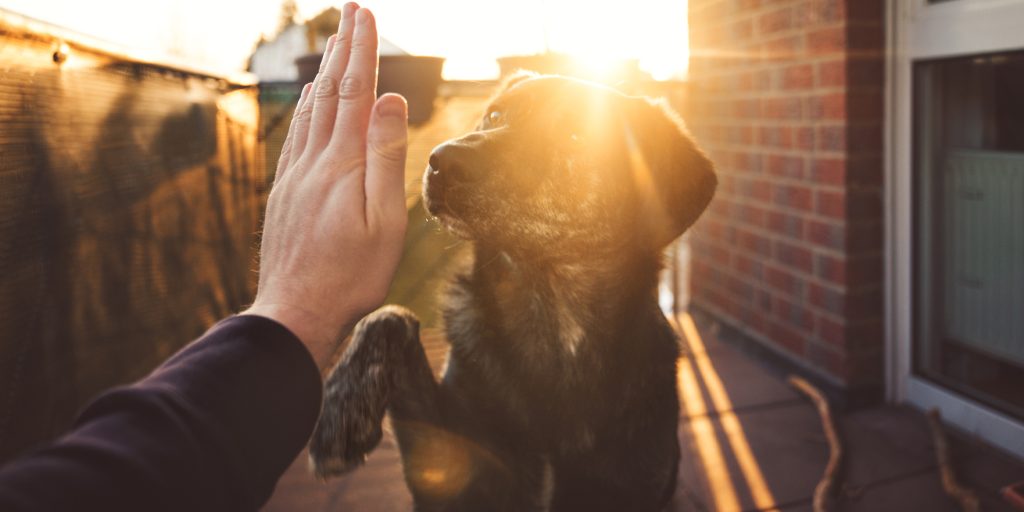
The coping mechanisms that pets provide are also notable. Interacting with animals has been scientifically shown to lower levels of cortisol, the stress hormone, while simultaneously boosting levels of serotonin and dopamine—neurotransmitters that enhance mood. Therapy animals, such as those used in hospitals or assisted living facilities, have gained recognition for their ability to calm individuals undergoing stressful experiences, illustrating the broader implications of this human-animal bond.
Across the United States, various initiatives are promoting animal adoption as part of rehabilitation programs. Many therapy modalities now incorporate animals into their treatment plans, resulting in statistically significant improvements in well-being. For example, programs integrating therapy dogs into schools have reported enhanced students’ emotional regulation, increased academic performance, and lowered anxiety levels.
As we continue to explore the profound impact of animal adoption on rehabilitation, it becomes evident that the bonds formed between humans and animals can catalyze significant change, fostering healing and transformation in ways often overlooked. These relationships not only reshape lives but also underscore the vital role of compassion and companionship in the pursuit of well-being.
DISCOVER: Click here to find inspiring success stories
Emotional Resilience Through Furry Companions
When it comes to providing emotional stability and enhancing overall well-being, pets are remarkable allies. For individuals battling issues such as depression, anxiety, or post-traumatic stress disorder (PTSD), the companionship of an adopted animal can be transformative. Studies from the American Psychological Association reveal that pet ownership can decrease feelings of loneliness and isolation, providing a much-needed lifeline for those struggling with mental health.
The unconditional love offered by pets encourages individuals to open up and engage emotionally. Animals can sense their owners’ mood fluctuations, often responding with comforting behavior that prompts vulnerable individuals to feel seen and understood. The act of petting a dog or cat, for instance, can trigger the body to release oxytocin, a hormone associated with bonding and emotional connection. The benefits of this interaction underscore the potential of animal adoption as a therapeutic tool.
Alongside emotional support, adopting a pet can significantly influence an individual’s self-esteem and confidence. For many vulnerable persons, the responsibility of caring for another being can create a sense of purpose that elevates their mental health. This newfound sense of duty can transform their outlook on life, particularly in environments where they may feel lost or unvalued. The National Alliance on Mental Illness has reported that individuals who adopt pets often express an increase in feelings of worth and accomplishment.
The structure introduced through daily pet care routines provides further insights. A regular schedule based around a pet can lead an individual to adopt beneficial practices, such as:
- Waking up at consistent times
- Maintaining a regular meal schedule
- Engaging in daily physical activities, such as walks and playtime
- Establishing a sense of home and security
This new sense of routine is particularly important for those recovering from addiction or trauma. The predictability created by a pet’s needs helps to alleviate feelings of chaos and disarray often found in vulnerable individuals’ lives. Additionally, multiple studies have shown that the presence of pets can stimulate the release of endorphins, further contributing to an improved sense of well-being.
Moreover, the role of adopted pets as social facilitators cannot be overstated. Engaging with animals opens the door to social interactions that may have previously seemed daunting, especially for those dealing with social anxiety. Adoption often leads to connections with other pet owners in community spaces, such as parks or pet-friendly events. This newfound social network can foster friendships, build a support system, and ultimately lead to a richer and more fulfilling life.
Through the lens of animal adoption, we discover how these furry companions do more than just share their lives with us; they have the profound ability to reshape our own narratives, guiding vulnerable individuals toward a path of healing and self-discovery in ways that traditional therapeutic methods sometimes overlook.
| Advantage | Description |
|---|---|
| Emotional Support | Animal companions offer unconditional love, reducing feelings of loneliness and depression. |
| Social Interaction | Caring for animals encourages social engagement, enhancing connections with others in the community. |
The rehabilitation of vulnerable individuals can immensely benefit from the process of animal adoption. Studies have shown that interacting with animals can lead to lower blood pressure and increased levels of serotonin and dopamine, neurotransmitters responsible for feelings of well-being. Additionally, the responsibility of caring for a pet can instill a sense of purpose, which is often crucial for individuals going through challenging times. Moreover, adoption initiatives that pair animals with individuals needing assistance can foster remarkable change, creating deeper emotional ties and promoting healing. The journey of nurturing a pet not only enhances one’s empathy but also cultivates valuable life skills such as patience and routine adherence. As individuals learn to communicate with their pets, they also develop better interpersonal skills, contributing to improved relationships with others. By understanding and caring for an animal’s needs, vulnerable individuals can rediscover their capacity for love and companionship, opening doors toward personal growth and rehabilitation. Through these layered interactions, the cycle of healing becomes not just possible, but profoundly fulfilling.
DISCOVER MORE: Click here for essential tips on pet health
Building Skills and Fostering Responsibility
Adopting a pet serves as a powerful catalyst for developing life skills crucial for vulnerable individuals on the road to rehabilitation. By taking on the responsibilities of pet ownership, individuals can enhance various capabilities, including time management, organization, and problem-solving. Each task associated with caring for a pet—feeding, grooming, and visiting the veterinarian—positions the owner to learn and practice these essential life skills in a manageable and meaningful context.
The act of caring for an adopted animal goes beyond mere daily tasks; it instills a sense of accountability. For many, particularly those struggling with issues such as addiction or past trauma, this responsibility can be life-altering. A 2021 study published by the Journal of Human-Animal Interaction reveals that individuals who engaged in pet ownership reported a 62% increase in their ability to manage their own lives more effectively. It emphasizes how establishing routines around pet care enhances personal discipline—a critical foundation for recovery.
Animal adoption can also serve as a gateway to professional development. Many support programs for vulnerable populations have incorporated animal-assisted therapy (AAT) into their curriculum, providing participants with hands-on experience in animal care and training. These practical experiences not only aid in rehabilitation but can also pave the way for potential job opportunities in fields such as veterinary assistance, animal training, or even nonprofit support through animal shelters. For instance, the Animal Caretakers program in several states has successfully trained individuals in underserved communities, pushing them towards stable employment while simultaneously benefiting animals in need.
The social interactions fostered by having a pet can extend beyond immediate circles. Many animal shelters and rescue organizations offer workshops and community gatherings that connect pet owners to resources and networks. These gatherings can cultivate community engagement, breaking down barriers that previously isolated vulnerable individuals. They may find solutions in volunteering opportunities, which further enhance their skills alongside their companion animals and foster a sense of belonging.
Moreover, pets might assist in modulating behavior. Interactions with animals encourage individuals to express themselves in healthier ways. For instance, engaging in positive reinforcement training with an animal can translate to improved communication skills, patience, and empathy. This is especially important for those who may have faced interpersonal difficulties due to their mental health challenges. The gentle companionship of a pet encourages individuals to practice kindness and express emotions without judgment, leading to improved interpersonal relationships.
Additionally, as individuals embark on the journey of animal adoption, they concurrently break down societal perceptions surrounding vulnerability. Many people begin to see that mental health struggles do not define an individual. Sharing their experiences with others increases awareness and humanizes those facing similar challenges. Advocating for animal adoption can also lead to discussions about the importance of mental health care, enhancing understanding and inclusivity within communities.
In summary, the multifaceted benefits of animal adoption underscore its potential as a vehicle for rehabilitation among vulnerable individuals. By encouraging the development of essential life skills, enhancing social connections, and fostering a spirit of community and advocacy, adopted pets can truly reshape trajectories, leading to healthier lives filled with opportunities and fulfillment.
DISCOVER MORE: Click here to learn about balanced nutrition for your pets
Final Thoughts on the Healing Power of Animal Adoption
In conclusion, the positive implications of animal adoption extend well beyond just providing a loving home for pets; they can fundamentally influence the rehabilitation processes of individuals facing vulnerabilities. By integrating the responsibilities of pet care into their daily lives, these individuals not only learn vital life skills such as time management and accountability but also experience enhanced emotional well-being through the companionship of animals. Research supports this notion, with studies indicating significant improvements in life management competencies among pet owners.
The role of animals in fostering community engagement cannot be overlooked either. Through workshops and gatherings organized by shelters, individuals are given the opportunity to connect with others who share similar experiences, laying down the groundwork for meaningful support networks. The collective interactions with pets and fellow community members forge a pathway towards mutual understanding, offering a sense of belonging that is often lacking for vulnerable populations.
Moreover, through the lens of advocacy, the journey of pet adoption illuminates the importance of mental health awareness. By sharing their narratives, individuals can challenge societal perceptions, ultimately promoting greater inclusivity and empathy. The connection between animal adoption and personal healing is profound, with the potential to transform lives in ways that extend beyond personal benefit to enrich entire communities.
As we continue to explore the intersections of animal welfare and mental health, it is crucial to recognize the value that adopting pets brings not only to the animals but also to those who need support and healing. Together, through the act of adoption, we can foster a more compassionate society.
Related posts:
How Animal Adoption Can Contribute to Community and Social Well-Being
The Importance of Adopting Shelter Animals in Reducing Abandonment
The Role of Social Media in Promoting Animal Adoption
The Emotional Benefits of Pet Adoption for Mental Health
The Importance of Animal Adoption for Community Well-Being
How to Choose the Perfect Pet for Your Lifestyle

Linda Carter is a writer and pet care expert specializing in pet health, grooming, and wellness. With extensive experience helping pet owners create safe, loving, and enriching environments for their animals, Linda shares her knowledge on our platform. Her goal is to empower readers with practical advice and strategies to ensure their pets thrive and lead joyful, healthy lives.