How to Identify and Deal with Anxiety in Pets

Understanding Pet Anxiety
Did you know that many pets experience anxiety just like humans? This condition can lead to several behavioral issues, affecting not only the pet but also their owners. It’s crucial to be aware of the signs and know how to handle them effectively. Moreover, pet anxiety can stem from various factors, including environmental changes and developmental factors. Common domestic pets like dogs and cats can experience anxiety when faced with situations that provoke stress.
Common Signs of Anxiety in Pets
- Excessive Barking or Meowing: A vocal pet can signal stress or fear. For example, during fireworks or storms, an otherwise calm pet might vocalize excessively as an expression of discomfort.
- Destructive Behavior: Chewing furniture or scratching at doors is often a cry for help. This can notably escalate during periods of loneliness or boredom.
- Aggression: Sudden hostility towards people or other animals can indicate anxiety. This reaction can be particularly alarming, as it may arise unexpectedly, showcasing the pet’s inability to cope with their feelings.
- Changes in Appetite: Either overeating or refusing food are common symptoms. It’s not uncommon for pets to lose interest in their favorite treats when under stress.
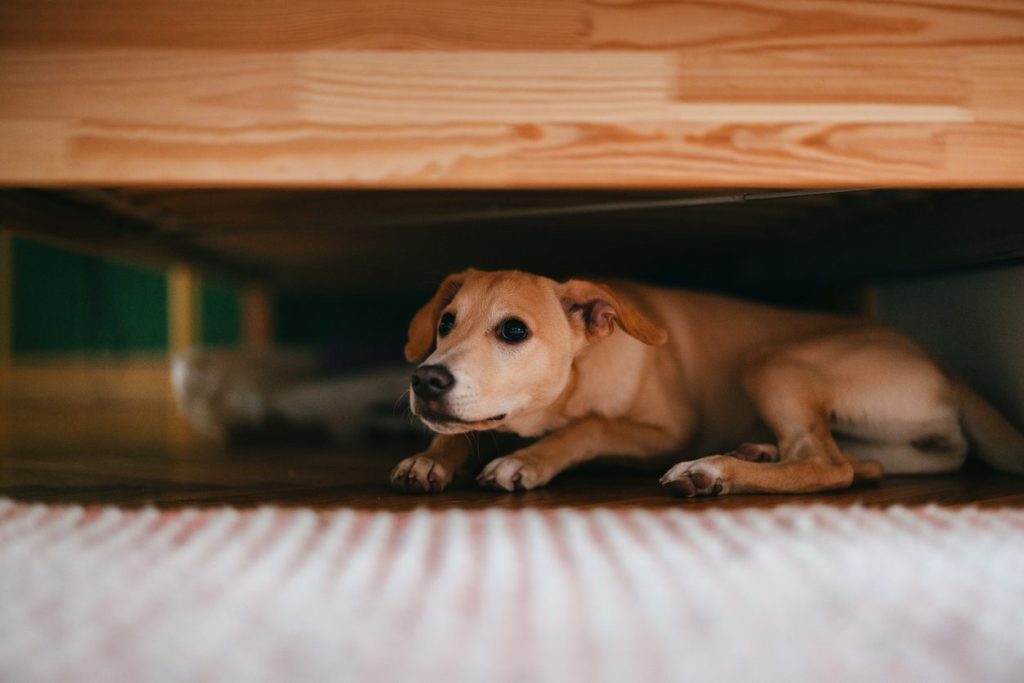
- Hiding or Withdrawal: If your pet seeks solitude, it may be feeling overwhelmed. Pets that usually interact actively may suddenly withdraw, avoiding eye contact or hiding under furniture.
Recognizing these behaviors is the first step toward helping your furry companion. Understanding and responding to your pet’s anxiety can significantly improve their emotional health. As a responsible pet owner, it is your duty to ensure their mental well-being. Fortunately, there are several effective strategies to help manage anxiety.
Steps to Alleviate Anxiety
Understanding the source of your pet’s anxiety is vital. Possible triggers include:
- Changes in routine: Pets thrive on consistency. A change in their daily schedule or environment could disrupt their sense of security.
- Loud noises: Events such as fireworks, thunderstorms, or even vacuum cleaners can trigger a fearful response. It’s essential to be mindful of these common triggers during holidays or bad weather.
- Separation from their owner: Pets form strong bonds with their human companions. Extended departures can lead to separation anxiety, prompting pets to exhibit distress when left alone.
By identifying these sources and implementing effective techniques, you can significantly improve your pet’s quality of life. Some methods include creating a safe space for your pet, using calming scents like lavender, or even consulting a veterinarian for anxiety-specific treatments. Incorporating regular exercise can also help alleviate anxiety by reducing excessive energy. Let’s delve deeper into effective methods for managing anxiety in pets and explore solutions that can not only soothe your pet but enhance your overall bond.
DISCOVER MORE: Click here to learn about how natural diets can enhance your pet’s lifespan
Strategies for Alleviating Anxiety in Pets
Once you’ve identified the signs of anxiety in your pet, the next step is to implement effective strategies to alleviate their stress. Addressing your pet’s anxiety often requires a multifaceted approach, combining environmental modifications, behavioral training, and sometimes professional intervention. Each animal is unique, and understanding your pet’s specific needs will help you tailor your approach accordingly.
Creating a Safe Space
One of the most effective ways to reduce your pet’s anxiety is to create a designated safe space within your home. This area should be a comfortable, quiet spot where your pet can retreat during stressful situations. Consider equipping this safe space with:
- Blankets or Cushions: A cozy bed or familiar blankets can provide comfort and security.
- Toys: Engaging toys can serve as a distraction from anxiety triggers and help keep your pet entertained.
- Calming Scents: Introducing calming scents such as lavender can create a soothing environment. You can use diffusers or scented sprays specifically designed for pets.
Your pet may find solace in their safe space, allowing them to release anxiety and feel more secure when confronted with stressors.
Routine and Structure
Pets thrive on routine and structure, and maintaining a consistent daily schedule can significantly influence their emotional well-being. Regular feeding times, designated playtimes, and daily walks can enhance their sense of security. If you have to make changes in your routine, try to do so gradually, giving your pet time to adjust. For example, if you need to change feeding times or walking schedules, consider shifting them by just a few minutes each day.
Positive Reinforcement Training
Behavior modification through positive reinforcement is an essential tool in addressing anxiety. Training your pet to respond positively to commands not only strengthens your bond but also builds their confidence. Here are some techniques you can incorporate:
- Desensitization: Gradually exposing your pet to their anxiety triggers—like loud noises—can help them become accustomed to these stimuli over time. Start with low levels of the trigger and reward calm behavior with treats or praise.
- Counterconditioning: This technique involves changing your pet’s emotional response to a stressful stimulus. For instance, if your dog becomes anxious during thunderstorms, create a positive association by offering treats or affection during these times.
- Basic Commands: Training your pet in basic commands such as “sit,” “stay,” and “leave it” equips them with skills to redirect their focus away from anxiety-inducing situations.
Implementing these strategies can significantly alleviate anxiety in your pet, resulting in a calmer and happier companion. It is crucial to remain patient and consistent as you work through these techniques, as progress may take time. In cases where anxiety overwhelms your pet, consulting with a professional veterinarian or a certified animal behaviorist might be necessary to explore more specialized treatments.
Understanding the Signs of Anxiety in Pets
Identifying anxiety in pets can be a challenging task, as they cannot express their feelings verbally. However, with keen observation, pet owners can spot several signs that indicate their furry companions are struggling with anxiety. These signs can range from subtle behavioral changes to significant disruptions in their normal activities.Common indicators of anxiety include excessive barking, whining, or meowing, which can signify distress or a need for attention. Pets may also exhibit destructive behaviors, such as chewing on furniture or scratching at doors, often stemming from frustration or fear. Increased aggression towards humans or other animals can also be a red flag, as anxious pets may feel threatened and react defensively.Physical symptoms should not be overlooked. Changes in appetite, whether it’s eating less or an increase in eating due to anxiety, can reveal a lot about their emotional state. Also, excessive licking, shaking, or hiding in unusual places are common physical reactions to anxiety.Aside from observing behaviors, understanding the underlying causes of anxiety is crucial. Common triggers might include changes in the pet’s environment, such as moving houses, changes in the owner’s routine, or the introduction of new family members (human or pet). Certain conditions, like thunderstorms and fireworks, can lead to heightened anxiety in pets, known as noise phobia.
Effective Strategies to Manage Pet Anxiety
Once anxiety is identified, the next step is to implement a successful strategy for managing it. Training and behavior modification techniques can significantly help in alleviating anxiety. Positive reinforcement training encourages good behaviors and gradually helps pets cope with their fears.Creating a safe space in the home can also provide comfort to anxious pets. This area should include their favorite toys, bedding, and items that carry their owner’s scent, creating a sense of security. Additionally, calming products, such as pheromone diffusers, can mimic natural pheromones to soothe pets.Regular exercise plays a vital role in reducing anxiety. Physical activity not only releases pent-up energy but also promotes the release of endorphins, commonly known as the “feel-good” hormones. Engaging in playtime, walks, or even dog sports can help alleviate anxiety symptoms.Moreover, consider consulting a veterinarian if anxiety persists or worsens. They can provide insights into medications or supplements that may be beneficial for managing pet anxiety more effectively. Combining these approaches with patience and understanding allows pet owners to assist their beloved companions in coping with anxiety, leading to a happier and healthier life for both pets and their owners.
| Category | Key Features |
|---|---|
| Behavioral Insights | Understanding signs like excessive barking and hiding. Recognizing triggers such as new environments. |
| Management Techniques | Incorporating training, creating safe spaces, and utilizing calming products for relief. |
These insights and strategies are not only pivotal for recognizing pet anxiety but also provide an array of options to enhance their emotional well-being.
DON’T MISS: Click here to discover the essentials of pet nutrition
Professional Help and Alternatives
While implementing strategies at home is essential, there are situations where your pet’s anxiety may require the expertise of professionals. Recognizing when to seek help is crucial for your pet’s mental health. Using the right combination of veterinary care, behavioral therapy, and medication can provide significant relief for pets suffering from severe anxiety.
Consulting a Veterinarian
If you notice that your pet’s anxiety is disruptive or continues to worsen despite your efforts, consider consulting a veterinarian. They can assess any underlying health issues that may contribute to anxiety, such as pain or illness. In many cases, the vet may recommend anti-anxiety medications to help stabilize your pet’s condition. Common medications include selective serotonin reuptake inhibitors (SSRIs) and anxiolytics, which can provide a calming effect. Understanding the potential side effects and observing how your pet responds to these medications is essential, so remain in contact with your veterinarian during the treatment process.
Behavioral Specialists
Another avenue to explore is working with a certified animal behaviorist or a professional dog trainer specializing in anxiety-related issues. These professionals can create a tailored training plan addressing your pet’s specific fears and anxieties. Examples of behavioral techniques include:
- Redirecting attention: By teaching your pet alternative behaviors to engage in during anxiety-inducing situations, you can help them manage their reactions.
- Creating positive experiences: Behaviorists often employ techniques like “Safe Place Training,” where your pet learns to seek their safe space during moments of anxiety.
- Gradual exposure: Experts will help design a structured plan for systematically exposing your pet to their triggers in a controlled way, reinforcing calm behavior along the way.
Alternative Therapies
In addition to medication and professional training, alternative therapies can also play a role in alleviating anxiety in pets. Many pet owners have found success with the following approaches:
- Aromatherapy: Using essential oils known for their calming properties can ease anxiety in pets. Make sure to use only pet-safe oils and consult with your veterinarian before introducing them.
- Doggie Daycare: Some dogs benefit from the social interactions and structured activities found in reputable doggie daycares, which can help reduce anxiety by providing stimulation and companionship.
- Natural Supplements: Products containing ingredients like chamomile, valerian root, or L-theanine may help alleviate anxiety in pets. Always discuss these supplements with your veterinarian to ensure they are safe for your pet.
Exploring a combination of these approaches can often yield the best results, as they work synergistically to improve your pet’s overall emotional health. Tailoring your approach to your pet’s unique needs and circumstances will provide the best chance of success in combating anxiety.
Monitoring Progress
As with any treatment plan, monitoring your pet’s progress is vital. Keeping a journal of their behaviors, triggers, and responses to different strategies will help you identify patterns and adjust your approach as needed. Regular follow-ups with your veterinarian or trainer can also provide valuable insights and support, ensuring your pet continues to improve.
In this journey to understand and alleviate your pet’s anxiety, persistence and patience are key. By staying aware of your pet’s needs and proactively addressing their concerns, you can pave the way for a calmer, more confident companion.
DISCOVER MORE: Click here to find out why animal adoption matters
Final Thoughts on Managing Pet Anxiety
Understanding and addressing anxiety in pets is essential for fostering a healthy and happy environment for your furry companions. Recognizing the signs of anxiety and taking proactive steps—whether through behavioral strategies, veterinary advice, or alternative therapies—can significantly enhance your pet’s quality of life. Every pet is unique, and what works for one may not work for another. Therefore, a tailored approach that considers your pet’s specific triggers and personality is crucial.
Moreover, maintaining open communication with your veterinarian and any behavioral specialists is vital in ensuring effective treatment. Regular follow-ups not only aid in tracking progress but also empower you with new insights and adaptations to your plan. Remember, patience and consistency are key players in this journey. By taking the time to understand your pet’s emotional needs, you can cultivate a nurturing environment that allows them to thrive.
As you explore these strategies, consider sharing your experiences with fellow pet owners. Raising awareness around pet anxiety can help others recognize the signs in their own pets and encourage a community of support. Together, we can improve the wellbeing of our beloved pets, ensuring they lead fulfilled and joyful lives. Ultimately, with the right tools and knowledge, you can be the advocate your pet needs—transforming anxiety into confidence.
Related posts:
Cat Dental Care Tips Keep Your Felines Teeth Healthy
The Importance of Prevention in Animal Health: Vaccines and Regular Check-ups
The Importance of Dental Hygiene in Pets
How to Identify and Prevent Behavioral Problems in Pets
The Importance of Sensory Enrichment in Pets' Lives
The Importance of Socialization in Elderly Pets

Linda Carter is a writer and pet care expert specializing in pet health, grooming, and wellness. With extensive experience helping pet owners create safe, loving, and enriching environments for their animals, Linda shares her knowledge on our platform. Her goal is to empower readers with practical advice and strategies to ensure their pets thrive and lead joyful, healthy lives.