Training Techniques for Senior Dogs: Adapting to Special Needs

Empowering Your Senior Dog Through Tailored Training
As dogs age, their needs and abilities evolve significantly. It’s essential to recognize that senior dogs require unique training techniques to accommodate their changing physical and mental health. By adapting your approach, you can enhance their quality of life and strengthen your bond, making your shared moments more enriching and enjoyable.
Understanding the special needs of older dogs is crucial. Recognizing how age affects your dog’s capabilities can lead to more effective training practices. Here are key factors to consider:
- Physical Limitations: Many senior dogs suffer from joint pain or reduced mobility due to conditions like arthritis. This discomfort may limit their ability to engage in physically demanding activities or traditional training methods. For example, instead of an extended game of fetch, consider short, gentle walks that include interactive training where they respond to commands while moving at their pace.
- Health Issues: Conditions like hearing loss or diminished vision can significantly affect your dog’s responsiveness to commands. Adapting your training to utilize visual cues or tactile signals can help overcome these obstacles. For instance, using hand signals in combination with verbal commands can be effective for hearing-impaired dogs.
- Mood Changes: Aging may also bring about mood changes in dogs, leading to anxiety or less enthusiasm for play. Such changes can influence their motivation during training sessions. Being patient and understanding will encourage a more trusting relationship, helping to alleviate anxiety and promote a more positive mindset.
Implementing suitable training techniques not only improves obedience but also encourages mental stimulation, which is critical for senior dogs. A well-stimulated mind can help combat cognitive decline. Some effective methods include:
- Positive Reinforcement: Reward-based training fosters a welcoming atmosphere that motivates older dogs. Whether it’s treats, praise, or their favorite toy, rewarding them for following commands can make training a joyful experience.
- Short Sessions: Keeping training sessions brief and engaging is essential for maintaining focus and interest. Ideally, limit training to 5-10 minute intervals, allowing for frequent breaks to prevent frustration or fatigue.
- Consistent Routines: Familiarity can reduce stress and increase comfort for senior dogs. Establishing a consistent training routine helps them feel secure and understand what is expected of them, making it easier to adapt to new commands or behaviors.
Learning how to adapt your training strategies for senior dogs equips you with the knowledge to cater to their specific needs. A thoughtful approach toward training is vital as it can significantly improve their mental agility and overall happiness. Stay tuned as we explore more effective approaches that can transform your experience with your furry friend, ensuring your bond remains strong and fulfilling throughout their senior years.
DISCOVER MORE: Click here to see inspiring stories
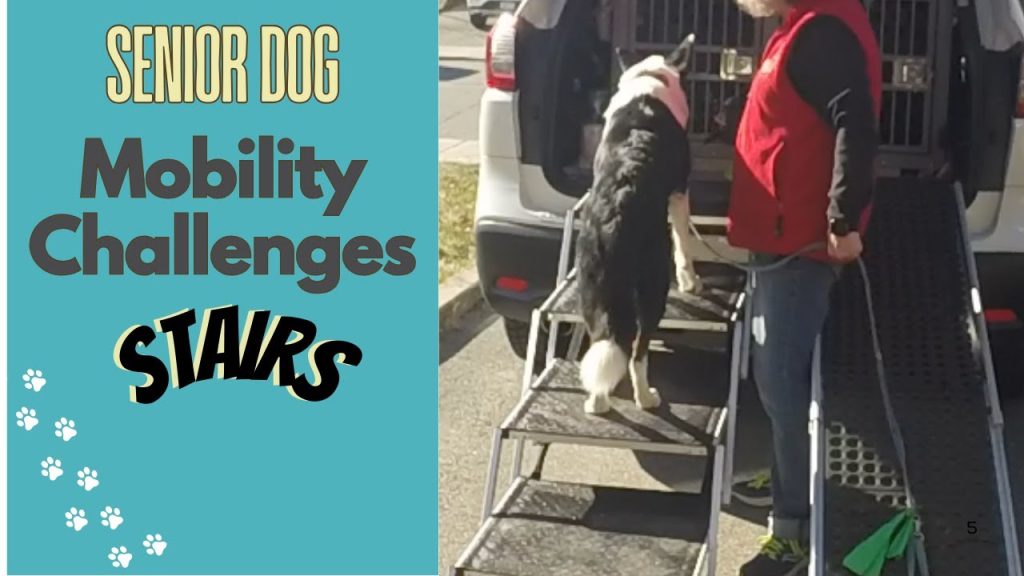
Tailoring Training Techniques for Aging Canines
As we dive deeper into the world of senior dog training, it becomes essential to acknowledge that older dogs not only face physical limitations but also mental and emotional challenges. Customizing training techniques is key to addressing these unique needs, ultimately enhancing their well-being and preserving the cherished bond you share with your furry companion. Let’s explore various methods that can make a significant impact on the lives of aging dogs.
Understanding the Aging Process
With age comes wisdom, but it also brings about changes that can complicate training. Understanding these changes is crucial in developing appropriate strategies. Here are a few significant alterations to keep in mind:
- Cognitive Decline: Just like humans, dogs can experience cognitive decline as they age. This may manifest as confusion, less responsiveness, or forgetfulness. Training techniques should therefore prioritize engagement through mental exercises, such as puzzle toys or scent games, to stimulate their minds. Incorporating mentally enriching tasks into training can often help delay the onset of cognitive decline.
- Behavioral Changes: Senior dogs might display different behaviors, often resulting from a combination of physical discomfort and decreased energy levels. Identifying these behavioral shifts is imperative for effective training. For example, if your dog now seems more withdrawn during playtime, opting for gentle interaction through massage or light touch can be more comforting and effective. Understanding these changes allows for a more empathetic approach to training.
- Socialization Needs: The social interaction needs of older dogs may shift. Some may become more reserved, while others may seek increased companionship. Recognizing what your dog prefers can help in designing effective training routines that either incorporate social playdates with gentle dogs or focused one-on-one time to cultivate confidence and reduce anxiety.
Effective Communication Techniques
One of the most effective ways to train a senior dog is adapting your communication methods. Here are some recommendations:
- Visual Cues: As dogs age, their senses can diminish. Implementing visual signals, such as hand gestures or body language, can significantly enhance understanding without overwhelming them with verbal commands. Consistency in cues helps reinforce learning.
- Slow and Clear Instructions: Older dogs may require slower pacing during training sessions. Articulating commands clearly and giving them ample time to respond is essential for fostering a stress-free learning environment.
- Interactive Learning: Engage your dog with fun and interactive sessions that not only reinforce commands but also stimulate their interest. Incorporating their favorite toys or treats can motivate them and make the process enjoyable.
By recognizing and implementing these tailored training techniques for senior dogs, you set the foundation for a harmonious learning experience. As we continue exploring this topic, we’ll uncover additional strategies that ensure your senior dog remains active, engaged, and connected to you during their golden years.
| Category | Description |
|---|---|
| Positive Reinforcement | Using treats or praise to encourage desired behaviors |
| Consistent Routines | Establishing a daily routine for training sessions enhances predictability |
| Gentle Commands | Utilizing clear and calm commands to accommodate hearing or cognitive impairments |
| Short Training Sessions | Keeping sessions brief to prevent mental fatigue and enhance retention |
The right training techniques can profoundly impact the quality of life for senior dogs. Positive reinforcement not only builds trust but also motivates dogs to engage in desirable behaviors. By rewarding them with treats or praises, owners can create a strong bond that encourages learning. Implementing consistent routines allows senior dogs to feel more secure and reduces anxiety, as they can anticipate when and what will happen throughout their day.Using gentle commands helps accommodate senior dogs that may suffer from hearing loss or cognitive decline. These simple adjustments ensure effective communication between owner and pet. Moreover, keeping training sessions short and manageable is crucial. Due to their age and energy levels, senior dogs can quickly become overwhelmed, making it essential to optimize the duration of training to ensure both mental enrichment and comfort. Exploring these varied techniques can open a new horizon of possibilities for improving the lives of senior dogs and their owners alike, leading committed pet parents to discover even more effective practices for their furry companions.
DISCOVER MORE: Click here to learn how pet adoption transforms lives
Enhancing the Training Experience through Special Considerations
As we expand our understanding of effective training techniques for senior dogs, it becomes clear that modifying training sessions based on an older dog’s specific needs can lead to more successful outcomes. This approach not only improves the training experience but also deepens the bond between dog and owner. Below are some essential considerations and methods to enhance training for aging canines.
Physical Adaptations
For senior dogs, physical limitations can significantly impact their ability to learn and engage in traditional training activities. Adapting the training environment and techniques can lead to remarkable improvements. Here are some adaptations to consider:
- Shorter Training Sessions: Senior dogs may tire quickly due to physical fatigue or discomfort. It’s vital to keep training sessions shorter, around 5 to 10 minutes, and spread them throughout the day. This not only helps maintain their interest but also allows them to absorb new information without overwhelming them.
- Lower Impact Activities: Engage senior dogs in low-impact activities that respect their mobility. Instead of demanding physical exercises, focus on gentle stretches or slow-paced leash walks that are enjoyable and manageable. Incorporating activities that promote core strength, like sit-to-stand exercises, can also be advantageous.
- Comfortable Spaces: Ensure that the training area is safe and comfortable for your senior dog. This means placing non-slip mats if the dog struggles with balance and providing supportive surfaces. A calm environment free from distractions can also help your dog focus better.
Utilizing Positive Reinforcement
Positive reinforcement remains one of the most effective training methodologies for all dogs, but it holds particular importance for seniors. This method can make training enjoyable and rewarding:
- Frequent Rewards: Older dogs may require more frequent rewards to keep them motivated. Use small but enticing treats and praise your dog liberally during training sessions. This creates a positive association with learning.
- Variety of Rewards: Consider providing various rewards beyond just treats. Some senior dogs may respond better to verbal praise or a favorite toy. Changing the rewards can keep their interest piqued and make the sessions more dynamic.
- Time-Honored Commands: Reinforcing basic commands—like sit or stay—can help maintain their ability to respond to cues they have known for years. Revisiting these commands can boost their confidence and provide a sense of stability.
Incorporating Routine and Structure
Establishing a structured routine can greatly benefit senior dogs. It provides them with predictability, which can reduce anxiety and increase comfort levels. Below are techniques to implement a consistent training schedule:
- Daily Training Routines: Aim to incorporate training into your dog’s daily routine. Pair training with common activities, such as before mealtime or during walks, to create a seamless experience where learning becomes a natural part of their day.
- Visual Schedules: Some owners have found success by creating visual schedules that detail daily tasks and training elements. This can guide both the owner and the dog through a structured day, making it easier for the dog to anticipate training times.
- Gradual Introduction of New Skills: Introduce new commands or tricks gradually, allowing them to master one before adding another. This prevents cognitive overload and ensures better retention of skills.
By considering these adaptations and creating an enriching training environment, you can significantly enhance the training experience for your senior dog. This tailored approach respects their age, promotes healthy engagement, and fosters lasting connections that define your relationship.
DISCOVER MORE: Click here to learn about optimal pet nutrition
Conclusion: Embracing the Journey of Training Senior Dogs
Training senior dogs requires a thoughtful approach that acknowledges their unique physical and cognitive needs. By integrating adaptations such as shorter, low-impact sessions, and utilizing positive reinforcement, owners can facilitate a more enjoyable and productive learning environment. These techniques not only cater to the limitations of aging canines but also celebrate their capabilities, fostering a positive atmosphere that enhances the bond between dog and owner.
Establishing structure and routine further aids in creating a sense of security for senior dogs, allowing them to thrive within familiar patterns. Daily training integrated with regular activities can turn learning into a seamless and joyful part of their lives. As pet owners, it is crucial to remember that patience and understanding are key components in this process, particularly as we see our beloved companions navigate the challenges of aging.
Ultimately, training isn’t just about teaching commands; it’s a profound opportunity to connect, nurture, and adapt as our dogs transition into their senior years. By committing to these tailored training techniques, you can enrich your pup’s quality of life, maintain their mental agility, and provide them with the love and support they deserve during these golden years. So, let’s embark on this rewarding journey of learning together, embracing every moment and celebrating the enduring spirit of our senior canine companions.
Related posts:
How to Teach Basic Commands to Your Dog: Foolproof Tips for Beginners
How to Use Natural Rewards to Encourage Pet Training
The Role of Environmental Enrichment in Training Pet Animals
How to Incorporate Physical Exercises into Pet Training
Positive Training: The Importance of Reinforcement in Pet Education
5 Effective Tips for Training Your Dog at Home

Linda Carter is a writer and pet care expert specializing in pet health, grooming, and wellness. With extensive experience helping pet owners create safe, loving, and enriching environments for their animals, Linda shares her knowledge on our platform. Her goal is to empower readers with practical advice and strategies to ensure their pets thrive and lead joyful, healthy lives.