Natural Diets vs. Commercial Pet Food: What is Best for Your Pet?
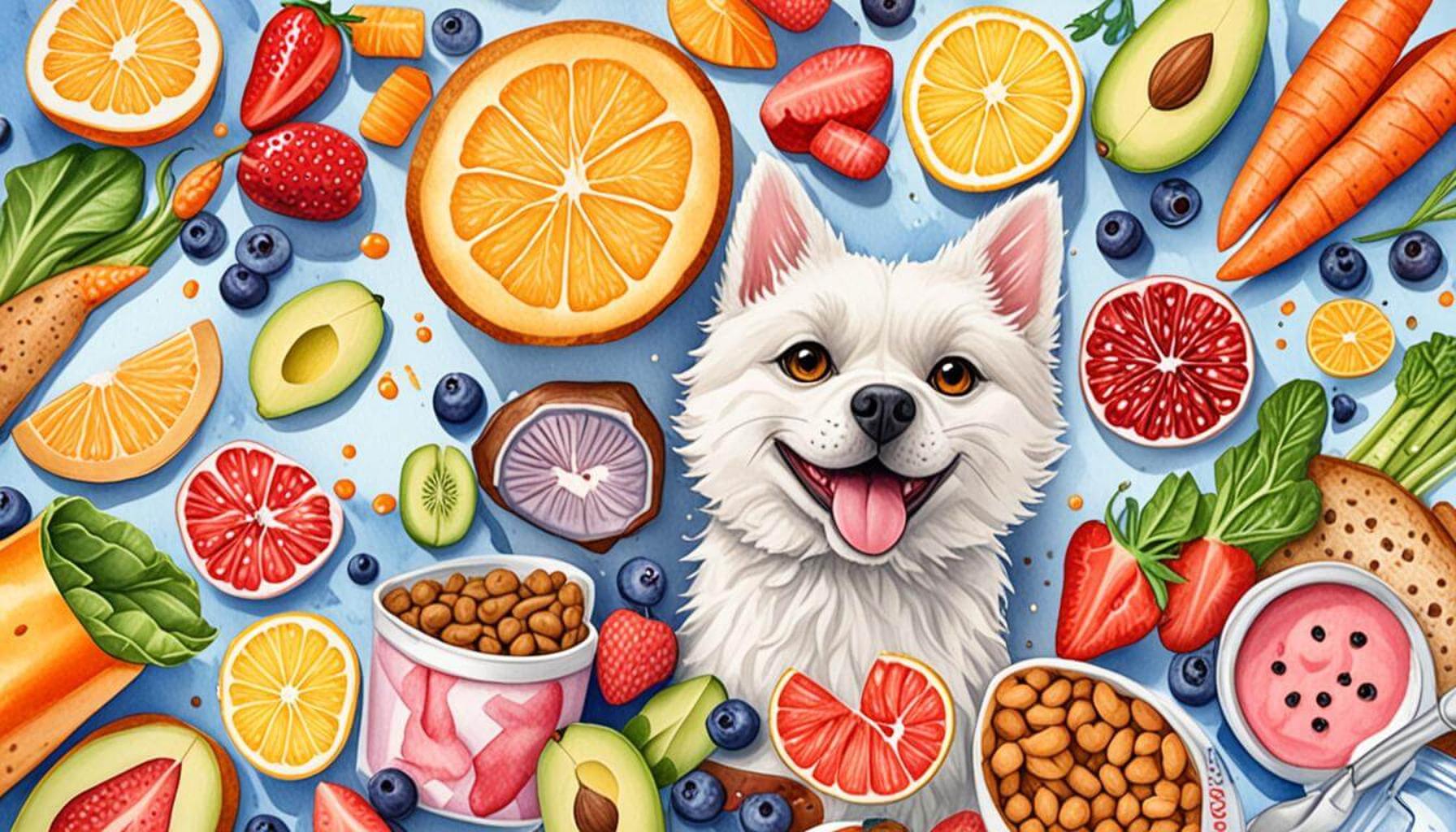
The Significance of Diet Choices for Pets
Choosing an appropriate diet for your pet can feel overwhelming, especially with the myriad of options on the market today. Pet owners frequently find themselves caught in a dilemma when faced with deciding between natural diets and commercial pet food. Both choices carry unique advantages and potential drawbacks, making it crucial to evaluate what each diet provides for your beloved companion.
Exploring Natural Diets
Natural diets typically emphasize whole foods, comprising fresh meats, grains, vegetables, and fruits that closely replicate the nutritional intake of pets in their wild, ancestral environments. For example, diets for dogs may include ingredients like chicken, sweet potatoes, peas, and blueberries, while cat diets may consist of fish, chicken liver, pumpkin, and broccoli. Research has shown that pets fed a natural diet can experience:
- Improved energy levels: Many pet owners report that their pets are more active and playful when consuming a diet rich in whole foods.
- Better digestion: Natural ingredients may lead to fewer digestive issues, such as gas or constipation, providing pets with a more comfortable gastrointestinal experience.
- Shinier coats: Proper nutrition can enhance a pet’s coat texture and sheen, a testament to the diet’s overall impact on their health.
However, adopting a natural diet requires thorough research and understanding of nutritional balance. It’s crucial for pet owners to ensure that they are providing all necessary vitamins and minerals to avoid deficiencies. Additionally, preparing meals can be time-consuming compared to commercially available options.
The Case for Commercial Pet Food
On the other hand, commercial pet food offers a different set of benefits. These products, often available as dry kibble or canned food, are crafted to meet specific nutritional requirements for pets. Many of them are fortified with essential nutrients to ensure a balanced diet. The popularity of commercial food can be attributed to several factors:
- Easy accessibility: Commercial pet foods are widely available in grocery stores, pet shops, and online, making it remarkably simple for pet owners to find and purchase the right food.
- Long shelf lives: Many commercial foods are designed to last long periods without spoiling, reducing the need for ongoing meal preparation.
- Regulation and testing: Established organizations, such as the AAFCO (Association of American Feed Control Officials), ensure that pet foods meet specific nutritional standards, providing an added layer of safety for consumers.
Despite these advantages, some pet owners express concerns regarding the ingredients in commercial pet food, pointing to fillers or preservatives that can detract from overall nutrition. This apprehension drives a growing trend of pet owners seeking transparency about what their pets consume.
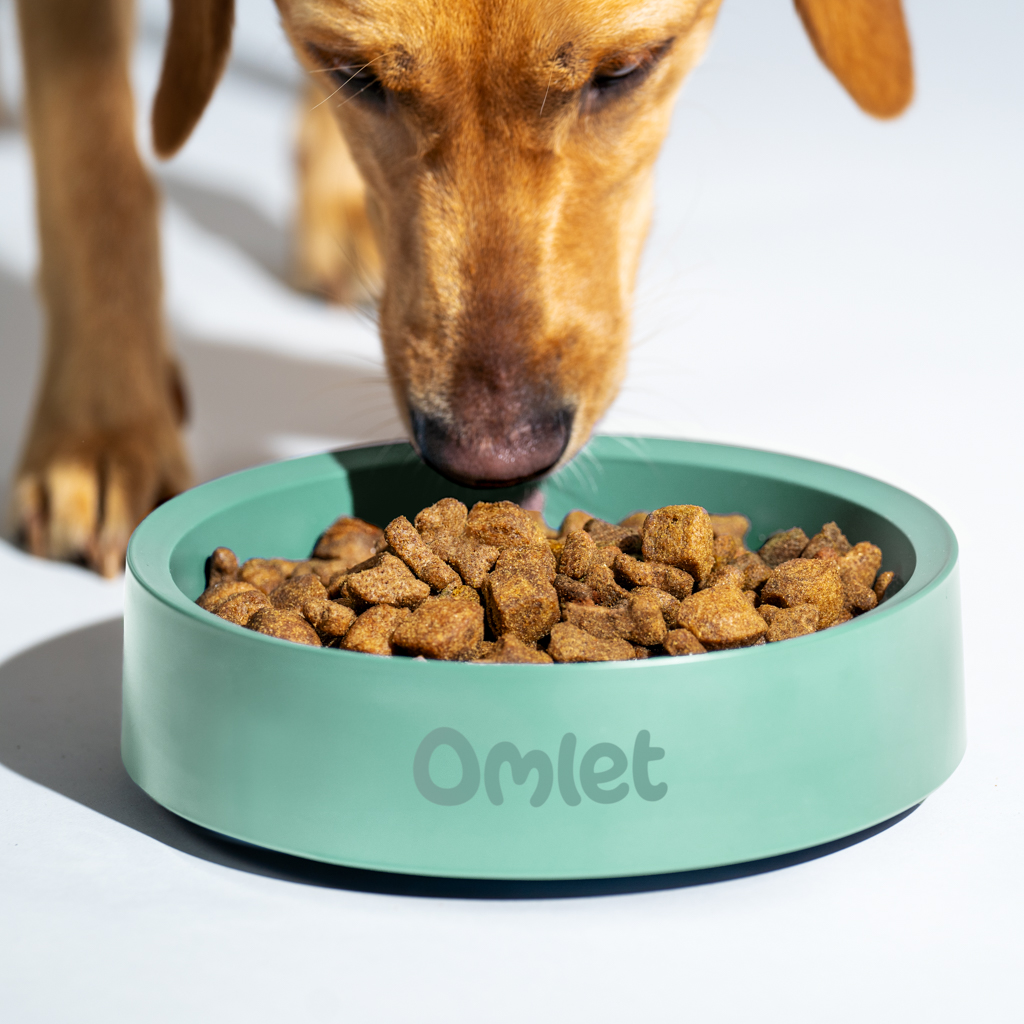
Making the Right Choice
The question of which dietary option is best for your pet ultimately depends on individual circumstances, including the pet’s health, lifestyle, and the owner’s ability to invest time in meal preparation. Careful consideration of these factors will guide pet owners in making informed decisions regarding their pet’s diet. As the ongoing debate continues, a proper understanding of the nuances between natural diets and commercial pet food is essential. Are you prepared to explore these dietary paths further?
DIVE DEEPER: Click here to learn more
Understanding the Essentials of Natural Diets
When considering natural diets for pets, it’s essential to delve into the core philosophy behind such feeding practices. Advocates of natural diets argue that these meals more closely align with a pet’s natural instincts and dietary needs. Taking a closer look, these diets are often crafted from ingredients like fresh meats, whole grains, fruits, and vegetables, offering a balanced nutritional profile that promotes optimal health. In essence, the goal is to replicate what pets would consume in a wild environment, free from the fillers and artificial additives prevalent in many commercial foods.
One of the primary benefits often associated with a natural diet is its focus on high-quality ingredients. Pets thriving on such meals may exhibit:
- Increased vitality: Owners frequently attest that their pets exhibit heightened energy levels and playfulness, contributing to an overall happier lifestyle.
- Enhanced digestive health: Natural diets tend to include ingredients that are easier for pets to digest, resulting in fewer gastrointestinal complications, such as diarrhea or bloating.
- Improved skin and coat health: A well-rounded diet rich in natural oils and essential nutrients can lead to a shinier, healthier coat and less itching or irritation.
However, transitioning to a natural diet is not without its challenges. It requires a solid understanding of pet nutrition to ensure proper balance. Pet owners must account for vital nutrients such as amino acids, essential fatty acids, and various vitamins and minerals that are crucial for overall health. Without sufficient research, there is a risk of creating a diet that may lack some critical components, leading to nutritional deficiencies.
Moreover, preparing meals from scratch demands a significant investment of time and commitment. For busy pet owners juggling work, family, and social responsibilities, this could make the allure of natural diets diminish. The continual preparation and sourcing of fresh ingredients may quickly escalate into a daily chore, rather than an enriching experience.
Commercial Pet Food: Convenience Meets Nutrition
In contrast, commercial pet food offers significant convenience, making it a go-to choice for many owners. Available in various forms, such as dry kibble and canned wet food, these products typically meet established nutritional standards outlined by the AAFCO. This leveling of consistency means that commercial pet foods are often fortified with essential vitamins and minerals required for animal health.
Furthermore, the convenience of commercial pet food can’t be overstated. For many pet owners, the benefits include:
- Round-the-clock availability: Commercial pet foods can be found in almost every grocery or pet store, meaning owners can easily replenish supplies without much hassle.
- Long-term storage: Canned and kibble options can last for extended periods, making meal prep a breeze and minimizing food spoilage.
- Consistency and safety: The regulated nature of commercial pet food produces meals with reliable ingredient profiles, giving pet owners assurance regarding their pets’ diets.
Yet, skepticism around commercial foods persists. Many pet owners question the quality of the ingredients, concerned about the presence of fillers, artificial preservatives, and low-quality meats. This has sparked a wave of pet owners seeking transparency and the ingredients and sourcing of their pet’s food, as they strive to prioritize their pets’ health.
Finding the Right Fit for Your Furry Friend
Ultimately, the journey to finding the ideal diet for your pet involves careful consideration of their individual needs. The choice between a natural diet and commercial pet food hinges on factors such as the pet’s health status, lifestyle, and an owner’s capacity for meal preparation. As the conversation around pet nutrition continues to evolve, it is essential for owners to stay informed about the distinct characteristics of both dietary approaches. Are you ready to unravel this nutritional mystery for your pet?
| Advantages of Natural Diets | Advantages of Commercial Pet Food |
|---|---|
| Wholesome Ingredients | Convenience |
| Natural diets often consist of whole foods free from additives, leading to fewer health issues in pets. | Commercial pet food is readily available, making it easy for pet owners to purchase and store without preparation. |
| Customized Nutrition | Nutrition Balance |
| Natural diets allow for tailored meals that can address specific health needs or allergies. | Commercial food is designed to meet regulatory standards, ensuring a balanced diet. |
When considering natural diets for your pet, one of the primary attractions is the use of wholesome ingredients. Unlike commercial options, which may contain numerous additives and fillers, a natural diet tends to be composed of fresh, whole foods. This purity can lead to reduced health problems over time, as pets may benefit from better digestion and fewer allergens. Additionally, with natural diets, pet owners have the flexibility to tailor meals to the specific nutritional needs of their pets, making it an attractive option for those with dietary restrictions or sensitivities.On the other hand, commercial pet food cannot be overlooked for its convenience. Available in various options, this food requires little to no preparation, providing a hassle-free solution for busy pet owners. Furthermore, these products often adhere to established nutritional standards set by regulatory bodies, ensuring a balanced diet for growing pets. For the average consumer, the ease of obtaining commercial pet food can be a substantial factor in their dietary choices for their furry companions. Each option carries its own set of advantages that can significantly impact your pet’s health and happiness. Exploring these aspects further can lead pet owners to make more informed decisions.
DON’T MISS: Click here to discover the importance of proper nutrition for your pet’s health
The Debate: Ethics, Sustainability, and Transparency
As the conversation around natural diets vs. commercial pet food continues to gain momentum, another layer of complexity emerges involving ethical considerations, sustainability, and transparency in sourcing ingredients. For many pet owners, the choice of what their furry companions consume often intersects with broader concerns about environmental impact and the moral implications of food production.
When considering natural diets, many proponents highlight the ethical rationale behind choosing fresh ingredients. Sourcing locally grown vegetables, organic meats, and sustainable sources not only benefits the pet but also fosters a sense of community and environmental stewardship. This ethos aligns well with a growing number of consumers eager to reduce their carbon footprint, leading to an increasing demand for pet foods derived from ethically responsible practices. According to a study from the American Pet Products Association, nearly 36% of pet owners are more willing to pay a premium for environmentally friendly products, further emphasizing the trend toward sustainable pet nutrition.
On the commercial side, while large pet food manufacturers may ensure consistent quality through regulation, concerns about sourcing practices are prevalent. Many mainstream brands rely on supply chains that are far less transparent, leading to questions about the quality of the ingredients used. Reports of recalls in the pet food industry—often due to contamination or undisclosed ingredients—have made pet owners increasingly wary. A 2022 survey indicated that 28% of pet owners are likely to switch brands following a recall, showcasing how trust in commercial products directly influences consumer behavior.
Furthermore, the nutritional labeling on commercial pet foods is often criticized for being overshadowed by marketing claims. Terms like “natural,” “healthy,” or “premium” can sometimes mislead consumers, as these labels may not necessarily guarantee superior quality. The pet food industry is filled with buzzwords that could suggest a pet food is better than it may actually be, leaving owners in a conundrum of deciphering which brands genuinely prioritize their pets’ wellbeing.
To mitigate this confusion, many health-conscious pet owners are turning to small-batch commercial brands, which focus on transparency regarding ingredient sourcing and often utilize human-grade food standards. These companies frequently embrace a philosophy of providing high-quality nutrition without the use of artificial preservatives or fillers. Additionally, pet owners now have access to a wealth of resources online, allowing for an influx of information regarding pet nutrition. Websites and forums dedicated to pet health have helped to empower consumers in making educated choices, elevating awareness about what is truly beneficial for their pets.
The Role of Veterinary Guidance
As the landscape of pet nutrition evolves, the role of veterinarians remains pivotal. Many veterinarians are now becoming advocates for tailored nutrition, emphasizing that every pet’s dietary needs differ based on age, breed, and specific health considerations. Wellness-check visits often serve as an opportunity for owners to discuss diet options, where vets may propose specific homemade diets or endorse premium brands suited for their pets’ unique circumstances.
Moreover, as the interest in raw diets rises, veterinarians exercise caution, advising pet owners to research the risks associated with raw food handling and potential nutritional imbalances. The balanced guidance from trained professionals can help navigate the complexities between natural diets and commercial food, helping pet owners develop a confident approach to their pets’ nutrition.
Ultimately, the quest for an optimal pet diet encompasses ethical, nutritional, and practical considerations that should resonate with each pet owner’s values and lifestyle. Recognizing the pivotal choices that lie ahead may lead to a more enriching life for beloved companions—all while ensuring they thrive in health and happiness.
DISCOVER MORE: Click here to learn about the benefits of animal adoption
Conclusion: Navigating Your Pet’s Nutritional Path
In the ongoing debate of natural diets vs. commercial pet food, pet owners are presented with a myriad of choices that impact not just the health of their pets, but also ethical, environmental, and personal values. The shift towards natural diets reflects a growing desire among consumers to prioritize wholesome, fresh ingredients while supporting sustainable practices. However, the complexities of homemade pet meals, such as nutritional balance and potential food safety issues, warrant careful consideration.
On the other hand, while commercial pet food options offer convenience and consistent quality, concerns about ingredient sourcing, transparency, and misleading marketing claims cannot be overlooked. Pet owners should remain vigilant, examining product labels and seeking brands that prioritize quality and ethical sourcing. The growing popularity of small-batch brands exemplifies a market responding to these concerns by offering higher-quality options that are often more closely aligned with the values of conscientious consumers.
Ultimately, the best dietary choice for your pet hinges on a combination of their unique health needs, your ethical beliefs, and informed decision-making. Consulting with a veterinarian can further elucidate dietary options tailored specifically to your pet’s requirements, ensuring the path you choose promotes their overall wellbeing. As you navigate the plethora of information available today, remember that informed choices can lead to happier, healthier lives for our beloved companions. Engage in this journey not only as a matter of diet but as a vital aspect of responsible pet ownership, and uncover the optimal nutrition that best suits your pet’s lifestyle and your values.
Related posts:
How Nutrition Affects the Immune System of Pets
Nutrition and Behavior: How Diet Can Influence the Temperament of Pets
The Benefits of Nutritional Supplements in Pet Feeding
New Trends in Pet Food: Plant-Based Diets
How Personalized Nutrition Can Improve the Quality of Life for Pets
How the Nutritional Needs of Pets Change with Age

Linda Carter is a writer and pet care expert specializing in pet health, grooming, and wellness. With extensive experience helping pet owners create safe, loving, and enriching environments for their animals, Linda shares her knowledge on our platform. Her goal is to empower readers with practical advice and strategies to ensure their pets thrive and lead joyful, healthy lives.