The Role of Proteins in the Diet of Pets and Their Effects on Health
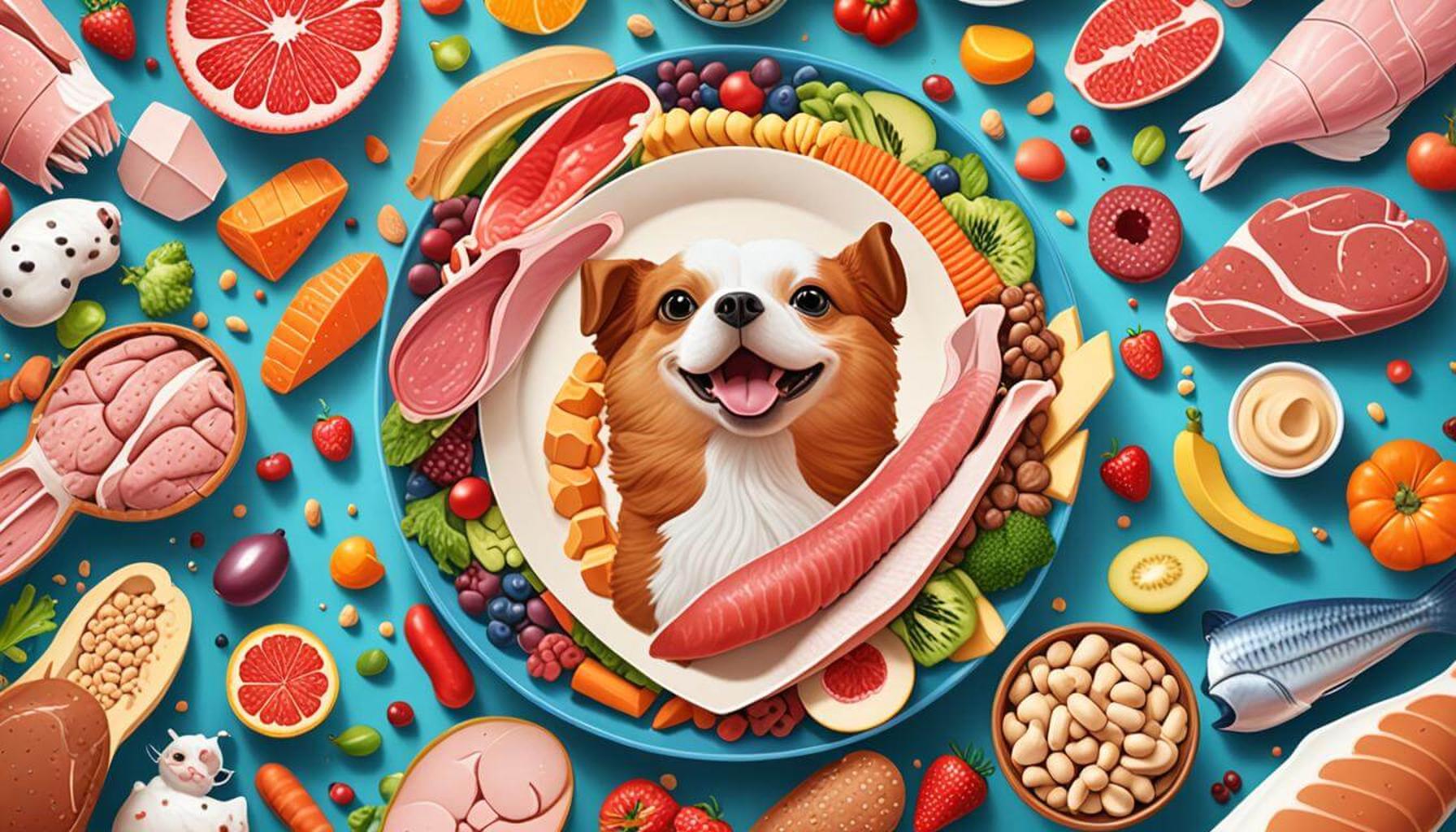
For pet owners who are dedicated to ensuring their furry friends lead healthy, happy lives, understanding the role of proteins in their diets can make a significant difference. Proteins are not just dietary components; they serve as the fundamental building blocks of life. This macronutrient plays a critical role in various biological functions, influencing growth, repair, and overall health. Different pets, including dogs and cats, have specific protein needs that can vary widely based on factors such as age, breed, size, and health status. Meeting these unique requirements is essential for maintaining vitality and longevity.
Why Proteins Matter
Proteins are indispensable for several reasons that underscore their importance in a pet’s diet:
- Muscle Development: Proteins play a crucial role in building and maintaining muscle mass. This is particularly significant for active breeds that require strong musculature for agility and endurance. For instance, working dogs or pets engaged in frequent physical activities tend to thrive on a protein-rich diet that helps repair and build muscle tissue.
- Immune Function: A healthy intake of proteins supports a robust immune system, which acts as the body’s defense against infections and diseases. Proteins help produce antibodies, enzymes, and other immune-related components, ensuring your pet is resilient during allergy seasons or viral outbreaks.
- Energy Supply: While carbohydrates and fats are primary energy sources, proteins serve as a secondary option when other sources are low. For pets with dietary restrictions or certain health conditions, proteins can help maintain energy levels, particularly for seniors or those recovering from illness.
Types of Proteins for Pets
To ensure a well-rounded diet, pet owners should include various protein sources, each offering unique benefits:
- Animal Proteins: The majority of commercial pet foods use animal proteins such as beef, chicken, fish, and lamb. These sources are particularly beneficial because they contain all essential amino acids, making them complete proteins.
- Plant Proteins: Ingredients like soy, peas, and lentils are becoming more prominent in pet foods, often as supplements for cheaper meat sources. Though they might not provide all essential amino acids, they can still significantly enhance protein content, especially in diets for pets with specific dietary restrictions.
- Novel Proteins: For pets with food allergies or sensitivities, protein sources like venison, duck, or rabbit can offer a safe alternative. These novel proteins reduce the risk of allergic reactions and are increasingly available in both commercial and homemade pet foods.
Each protein type offers distinct health effects, making it essential for pet owners to understand their pets’ specific needs. By diving deeper into the importance of dietary proteins, pet owners can make informed decisions, enriching their companions’ nutrition and contributing to their overall health and well-being. Moreover, consulting with a veterinarian can provide tailored advice, ensuring that your pet’s dietary regimen is both nourishing and appropriate for their lifestyle.
DIVE DEEPER: Click here to discover the importance of balanced nutrition for your pet’s health
Why Proteins Are Essential for Pet Health
Understanding the significance of proteins in your pet’s diet goes beyond the basic needs of sustenance; it taps into the very essence of their health and vitality. Proteins are made up of amino acids, which are vital for various physiological functions critical to maintaining a pet’s overall well-being. The two main categories of amino acids are essential and non-essential, with essential amino acids being those that the body cannot synthesize and must therefore be obtained from food. This leads to the question: what role do these amino acids play in your pet’s life?
The Building Blocks of Growth and Repair
One of the most vital roles of proteins in a pet’s diet is their function in growth and tissue repair. Pets, like humans, undergo bodily changes due to growth phases and injuries. During these times, their bodies require an increased supply of proteins. For instance, puppies and kittens, who are in their developmental stages, thrive on diets rich in protein to support their rapid growth and developing muscles. Similarly, adult pets recovering from surgery or injuries significantly benefit from a protein-enriched diet as they need to regenerate damaged tissues.
Enhancing Immune and Metabolic Functions
Proteins also play a crucial role in bolstering immune responses. A well-balanced protein intake contributes to the synthesis of antibodies and various immune factors that protect your furry friends from infections and diseases. In this regard, an optimal protein level is essential during seasonal changes or illness, making sure your pet can effectively fend off germs and health challenges.
Moreover, proteins serve as a source of energy, albeit not the primary one. Under certain conditions, such as high physical activity levels or caloric restrictions, proteins can be converted into energy. Pets that are more active, like working dogs, require more energy, emphasizing the importance of including adequate protein in their diet. The interplay of proteins with both carbohydrates and fats keeps the metabolism running smoothly.
Proteins and Healthy Skin & Coat
The effects of proteins extend beyond internal health; they also influence your pet’s appearance. A diet that is low in quality protein can lead to dull, brittle coats and skin issues. Essential fatty acids and amino acids found in high-quality protein sources contribute to vibrant fur and healthy skin, making sure your pet looks as good as they feel. Regular examination of your pet’s coat can serve as a window into their nutritional status, drawing attention to the importance of a protein-rich diet.
As seen, the role of proteins in the diet of pets is multi-faceted, impacting not just their physical condition but also their overall mood and longevity. Understanding this nutrient’s importance can equip pet owners to make informed choices, further reinforcing their commitment to nurturing happy and healthy companions.
| Advantages | Importance for Health |
|---|---|
| Muscle Development | Proteins are essential for building strong muscles, particularly in active pets. |
| Immune System Support | Adequate protein intake aids in the production of antibodies, enhancing the immune response. |
| Healthy Skin and Coat | Proteins contribute to skin health and a shiny coat, reflecting good nutrition. |
| Energy Sustenance | Proteins provide long-lasting energy and improve overall vitality in pets. |
When considering a pet’s diet, the impact of proteins cannot be overstated. Not only do they drive essential physiological processes, but they also serve unique functions crucial to the well-being of our furry companions. For instance, that robust protein intake has a direct correlation with the development of lean muscle mass, vital for active and growing pets. Coupled with this benefit, protein also fortifies the immune system, where it plays a key role in synthesizing antibodies, thus enhancing their ability to fend off diseases.Moreover, protein contributes significantly to maintaining a healthy skin and a vibrant coat—attributes that many pet owners prioritize when evaluating nutritional adequacy. The backbone of energy metabolism in pets is also influenced by protein composition in their food, ensuring they’re not just surviving but thriving in their day-to-day activities. Understanding these facets invites pet owners to delve deeper into dietary choices, promoting healthier lifestyles well into their pets’ golden years.
DIVE DEEPER: Click here for advanced tips
Protein Sources and Their Impact on Pet Nutrition
When it comes to ensuring that your pet gets the right intake of protein, the quality and source of those proteins matter immensely. Different proteins from various sources can yield distinct benefits for your pet’s health. Understanding these differences can guide pet owners in choosing the most appropriate diet for their companions.
Animal-Based Proteins
Animal-based proteins, such as those derived from meat, fish, and dairy, are often considered to be the gold standard in pet nutrition. These protein sources provide a complete amino acid profile, which is essential for your pet’s growth, maintenance, and overall health. For example, chicken, beef, and fish are packed with high-quality protein that not only supports muscle development but also contributes to a shiny coat and healthy skin.
- Chicken: Rich in lysine, an essential amino acid that plays a pivotal role in protein synthesis and promotes the healing of tissues.
- Fish: Contains omega-3 fatty acids that not only enhance protein value but also foster joint and cardiovascular health.
- Eggs: Known as a complete protein source, eggs contain all essential amino acids, making them an excellent diet supplement for both dogs and cats.
Plant-Based Proteins
While animal proteins are often prioritized, plant-based proteins can also serve as valuable dietary components, especially for pets with specific dietary needs. Sources such as soy, peas, lentils, and quinoa provide essential amino acids, although they often lack one or more of the essential amino acids found in animal proteins.
Integrating plant-based proteins can be advantageous for pets with food sensitivities or allergies to certain animal proteins. Plant protein sources can provide important fiber as well, aiding in digestion and supporting a healthy gut microbiome. It’s crucial, however, for pet owners to ensure that these proteins are complemented with animal-based proteins to create a balanced diet.
Commercial Pet Foods: Reading the Label
As pet owners navigate the myriad of options available in the commercial pet food market, understanding how to read ingredient labels can be an enlightening experience. When it comes to protein, it’s essential to look for the listing of identifiable protein sources such as “chicken meal” or “salmon” over vague descriptions like “meat by-products.” A closer examination of the ingredients can reveal premium quality sources that ensure your pet’s dietary needs are met.
Moreover, a healthy protein content typically ranges from 25% to 30% for adult dogs and slightly less for cats. It’s important to select foods appropriate for the life stage and specific needs of your pet, as proteins affect puppies and kittens differently compared to adult pets.
Impact on Longevity and Quality of Life
The lifelong benefits of a protein-rich diet have been demonstrated in numerous studies, showcasing a correlation between adequate protein intake and enhanced longevity as well as improved quality of life for pets. Pets with a proper protein balance have better muscle mass, energy levels, and immune function, leading to a spirited lifestyle that extends beyond the typical lifespan of their peers.
Moreover, the mental stimulation provided through proper nutrition has been associated with behavioral improvements in pets, making them not only healthier but happier companions. Ensuring a balanced blend of high-quality proteins in your pet’s diet can create a foundation for their well-being as they age, echoing the profound impact of nutrition on their life journey.
DISCOVER MORE: Click here to uncover training secrets
Conclusion: The Importance of Protein in Pet Nutrition
In wrapping up our exploration of the role of proteins in the diet of pets, it is clear that protein is not just a source of energy; it is a vital component that underpins the health and vitality of our beloved companions. The appropriate balance of high-quality animal and plant-based proteins can significantly influence your pet’s quality of life, from promoting muscle strength and enhancing coat health to supporting immune function and overall well-being.
As pet owners, understanding the sources of protein, whether from meat, fish, eggs, or legumes, empowers us to make informed dietary choices that cater to our pets’ unique needs. The benefits of a carefully curated protein intake extend beyond mere physical growth; they encompass mental well-being and longevity, nurturing pets to lead more vibrant lives. Moreover, knowledge of ingredient labels allows pet owners to discern the quality of food, ensuring that their furry friends receive the best possible nutrition.
As research continues to highlight the profound impact of nutritional balance on pet health, it invites us to consider the evolving nature of our pets’ diets. The quest to discover the optimal protein sources and quantities is ongoing, and engaging with a veterinarian can offer personalized insights tailored to specific breeds, ages, and health conditions. By embracing a thoughtful approach to protein in pet nutrition, we not only enhance our pets’ lives but also strengthen the bond we share with them. As you make dietary choices for your pets, remember that protein is a critical ingredient in paving the way for a happier, healthier future.
Related posts:
The Effects of Nutrition on Dental Health of Pets
How Personalized Nutrition Can Improve the Quality of Life for Pets
The Benefits of Nutritional Supplements in Pet Feeding
New Trends in Pet Food: Plant-Based Diets
How the Nutritional Needs of Pets Change with Age
How Nutrition Affects the Immune System of Pets

Linda Carter is a writer and pet care expert specializing in pet health, grooming, and wellness. With extensive experience helping pet owners create safe, loving, and enriching environments for their animals, Linda shares her knowledge on our platform. Her goal is to empower readers with practical advice and strategies to ensure their pets thrive and lead joyful, healthy lives.