How to Teach Basic Commands to Your Dog: Foolproof Tips for Beginners

Understanding Dog Training
Training your dog can be a fun and rewarding experience. Teaching basic commands not only helps improve your dog’s behavior but also strengthens your bond. Whether you’re a first-time dog owner or looking to refresh your skills, understanding how to effectively communicate with your furry friend is essential.
- Essential commands: Sit, Stay, Come, Down, and Heel.
- Training benefits: Improved safety, increased focus, and enhanced social interactions. A well-trained dog is often more welcomed in various public spaces, reducing stress for both the owner and the pet.
- Tools you’ll need: Treats, a leash, patience, and consistency. Consider using treats that your dog particularly enjoys, as positive reinforcement is crucial for motivation.
With so many methods available, selecting the right approach can be challenging for many dog owners. However, there are effective techniques that can simplify the process of teaching these commands. For instance, using positive reinforcement, which involves rewarding desired behavior with treats or praise, can significantly enhance a dog’s learning experience.
Commencing with simple commands can help your dog gain confidence and focus. For example, teaching the “Sit” command not only gives your dog a fundamental skill but also lays the groundwork for more complex commands. Likewise, the “Stay” command is essential for your dog’s safety; it can prevent your dog from running into streets or other dangerous situations.
Moreover, as you engage in this training process, consider incorporating games and playful elements. Using toys can make commands like “Come” more enticing; you could throw a toy a short distance away and encourage your dog to retrieve it, reinforcing the command in a fun way.
As with any learning experience, encountering challenges along the way is normal. Common issues include a lack of focus, disobedience, or distractions from other pets or people. Implementing strategies such as setting aside specific training times and finding a quiet environment can mitigate these challenges, keeping your dog engaged and responsive.
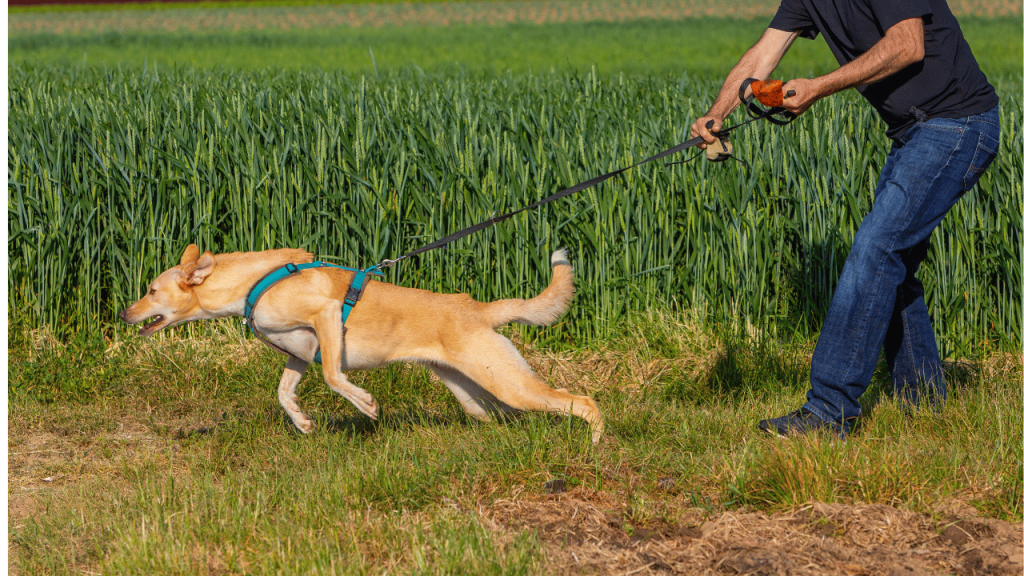
In this article, we will explore foolproof tips for beginners, focusing on practical strategies and effective tools. You’ll discover how to address these common challenges while keeping your dog motivated and engaged. Furthermore, understanding the psychological principles behind these training methods can empower you as an owner. By the end, you’ll be equipped with the knowledge to train your dog with confidence, leading to a happier, well-adjusted pet.
DISCOVER MORE: Click here to learn about the benefits of adopting shelter pets
Getting Started with Basic Commands
Teaching your dog basic commands is a vital part of their training and can be initiated as soon as they enter your home. The foundation you create with these commands not only enhances your dog’s behavior but establishes trust and understanding between you and your furry companion. To ensure success, it is essential to approach the training process with positivity, consistency, and patience.
Before diving into specific commands, familiarize yourself with the principles of positive reinforcement. This method focuses on rewarding desirable behaviors with treats, praise, or playtime, thereby encouraging your dog to repeat those behaviors. Moreover, your dog’s learning will be accelerated when you create a consistent environment during training sessions.
Essential Commands to Start With
Here are some fundamental commands every dog should know:
- Sit: An essential command, teaching your dog to sit can help manage excitement and keep them calm in various situations.
- Stay: This command is crucial for safety. It instructs your dog to remain in one place, preventing them from wandering off.
- Come: Teaching your dog to come when called is paramount for their safety and is particularly useful during walks.
- Down: The ‘down’ command promotes relaxation and helps control overly energetic behavior.
- Heel: This command encourages your dog to walk closely beside you, which is essential during leash training.
Each of these commands serves a specific purpose and contributes to a well-behaved pet. Start with the ‘Sit’ command, as it is often easier for dogs to learn and sets the stage for further training. To teach ‘Sit,’ hold a treat above your dog’s nose and slowly move it back over their head. As their head moves up to follow the treat, their bottom will likely lower to the ground. The moment they sit, say “Sit,” and reward them with the treat and praise.
Creating a Training Schedule
Consistency is key when teaching your dog new commands. Establish a schedule that includes regular training sessions throughout the day, ideally lasting no more than 5 to 10 minutes each. Multiple short sessions are often more effective than a long, overwhelmed session. Additionally, strive to practice commands in a variety of environments, including different rooms in your home, your backyard, or even local parks. This exposure helps your dog generalize the commands, understanding their meaning across various contexts.
Remember, dogs respond best when they are engaged and focused. Keeping the atmosphere light-hearted can help maintain their interest. Incorporating play and praise as rewards can make commands like ‘Come’ more exciting and effective. For example, call your dog while holding their favorite toy or treat, reinforcing the command through an enjoyable game.
Training your dog is an ongoing journey, filled with moments of growth and learning. Understanding the fundamentals and creating a structured environment can help you and your dog succeed together. In the next section, we will delve deeper into troubleshooting common training challenges, equipping you with even more strategies for success.
| Training Technique | Key Features |
|---|---|
| Positive Reinforcement | Utilizes rewards to encourage good behavior, making learning enjoyable for your dog. |
| Consistency | Helps your dog understand commands better when methods and signals are uniform across sessions. |
| Short Sessions | Keeping training sessions brief (5-10 minutes) maintains your dog’s focus and prevents boredom. |
| Patience | Understanding that every dog learns at their own pace fosters a positive training environment. |
When you embark on the journey of teaching your dog basic commands such as “sit,” “stay,” and “come,” it’s essential to harness effective methodologies that not only yield results but also create a bond between you and your pet. By employing positive reinforcement, you can create a rewarding atmosphere where good behavior is acknowledged through treats, praise, or play. This technique not only motivates dogs but also enhances their eagerness to learn. Moreover, the element of consistency cannot be overstated; using the same words and hand signals will avoid confusion and eliminate mixed messages, enabling a smoother learning process. Incorporate short sessions of focused training. Dogs, especially puppies, can only maintain their attention for limited periods. This approach keeps your dog engaged while preventing fatigue and frustration.Lastly, embrace the virtue of patience. Understanding that each dog may require different lengths of time to grasp various commands promotes a harmonious learning experience.
DIVE DEEPER: Click here to uncover essential training secrets
Addressing Common Training Challenges
As rewarding as it is to teach your dog basic commands, you’ll likely encounter challenges along the way. Understanding these potential obstacles and having effective strategies to tackle them can significantly ease your training journey. Below are some common training issues beginners face, along with solutions to help you and your dog overcome them.
Distractions and Lack of Focus
One of the most frequent challenges in dog training is managing distractions. Whether it’s the sound of a doorbell, other pets, or exciting scents in a park, many dogs find it hard to focus during training sessions. To mitigate this, select an environment with minimal distractions during initial training. This might mean starting in a quiet room of your home or a peaceful backyard. Gradually increase the level of distraction as your dog becomes more proficient with commands.
Moreover, using high-value treats – those your dog doesn’t regularly receive – can help maintain their focus. These treats should be something particularly enticing, such as small pieces of cooked chicken or cheese. When distractions arise, redirect their attention back to you with these rewards to reinforce their focus on learning.
Inconsistent Commands
Inconsistency can confuse your dog, leading to frustration for both of you. It’s essential that everyone in your household uses the same commands and hand signals for training. For example, if one person says “down” while another uses “lie down,” your dog may struggle to connect the two. To avoid this, create a list of your chosen commands and share them with everyone in your home. Consistency in not only the words used but also the tone of voice is crucial in effective communication with your dog.
Timing of Rewards
Another essential aspect of positive reinforcement is timing. Dogs learn best when they receive immediate feedback for their actions. If your dog sits but you wait too long to offer a treat or praise, they may not associate the reward with the behavior. As a rule of thumb, aim to reward your dog within 2-3 seconds of them successfully executing a command. This ensures they make a direct link between their action and the reward.
Overcoming Repetition Fatigue
While repetition is necessary for solidifying commands in your dog’s memory, overdoing it can lead to frustration and boredom. If you notice your dog losing interest, it’s time to change your approach. Keep their training sessions lively by incorporating games or mixing in playtime with command repetition. For instance, after practicing “Sit” a few times, shout “Dinner Time!” or initiate a quick game of fetch. This way, your dog remains engaged and looks forward to training sessions.
Gradual Progression
Each dog learns at their own pace, and recognizing this is incredibly important. Some dogs may grasp “Sit” almost immediately, while others may take several sessions. Keep your expectations realistic and be patient. Celebrate small victories, and avoid expressing frustration, as dogs are sensitive to their owner’s emotions. If your dog struggles with a command, take a step back and simplify it. Break it into smaller actions or use a different approach.
Ultimately, troubleshooting these challenges can enhance your training experience and strengthen the bond with your dog. By understanding your dog’s needs, maintaining a consistent approach, and utilizing positive reinforcement effectively, you create a nurturing learning environment that encourages growth for both of you. In the following section, we will explore advanced techniques that expand on these foundational commands, taking your dog’s training to the next level.
DON’T MISS: Click here for essential dental care tips
Conclusion
Teaching basic commands to your dog is an enriching and essential journey that fosters better communication, safety, and companionship. As we’ve explored, utilizing effective techniques such as positive reinforcement, maintaining consistency across commands, and adapting to your dog’s unique learning pace are fundamental to a successful training experience. By starting in a distraction-free environment and gradually enhancing the complexity of your training sessions, you will help your dog build confidence while mastering essential commands.
Moreover, understanding and addressing common training challenges, such as timing of rewards and repetition fatigue, allows for a smoother learning process. Engaging your dog in play and celebration of small victories makes training enjoyable, turning the process into a bonding opportunity rather than a chore.
Remember, patience is key. Look at your training sessions as a positive way to connect with your dog and enhance their overall well-being. As you navigate through this journey, keep in mind that each dog is unique—what works for one may not work for another. Explore advanced techniques or enroll in professional training classes as you and your dog become more proficient in basic commands. In this way, you not only become a proficient trainer but also create a lasting partnership with your beloved pet.
Now that you’re equipped with foolproof tips and insights, take the plunge and start teaching your furry friend today. Happy training!
Related posts:
The Role of Environmental Enrichment in Training Pet Animals
How to Handle Undesired Behaviors: Behavior Modification Techniques in Pets
Training Strategies for High-Energy Dog Breeds
Cat Training: Effective Methods to Teach Good Behaviors
Advanced Dog Training Tips for Superior Obedience Behavior
The Importance of Consistency in Pet Training

Linda Carter is a writer and pet care expert specializing in pet health, grooming, and wellness. With extensive experience helping pet owners create safe, loving, and enriching environments for their animals, Linda shares her knowledge on our platform. Her goal is to empower readers with practical advice and strategies to ensure their pets thrive and lead joyful, healthy lives.